
Know The Hidden Dangers of Using a Gas-Powered Portable Generator Indoors
Gas-powered portable generators can be lifesavers during power outages, but using them improperly—especially indoors—can be deadly. Despite their convenience, the toxic exhaust when operating a gas fueled generator emits carbon monoxide. Carbon Monoxide (CO) is an invisible, odorless gas that can cause poisoning or death within minutes when inhaled in high concentrations.
Carbon monoxide interferes with the body’s ability to transport oxygen, leading to symptoms such as dizziness, headaches, confusion, and ultimately loss of consciousness. According to the U.S. Consumer Product Safety Commission, hundreds of people die each year from CO poisoning linked to generator misuse, most often when the devices are operated in garages, basements, or enclosed patios.
Indoor use also increases the risk of fire due to poor ventilation and proximity to flammable materials. Gasoline is highly combustible, and a small spark can ignite a fire if proper safety measures aren’t followed.
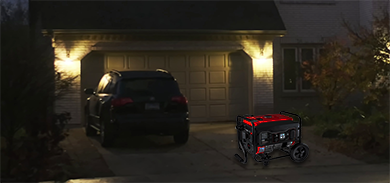
To stay safe, always use portable generators outdoors, at least 20 feet away from windows, doors, and vents. Never run a generator in an enclosed or partially enclosed space. Be sure to install battery-operated CO detectors in your home for added protection.
In emergencies, a portable generator can be a vital power source for operating home appliances, lighting, and charging mobile phones — but only if used responsibly and with a clear understanding of the risks involved.